
Butterfly Beauty: Kupu Kupu’s Cultural Symbolism
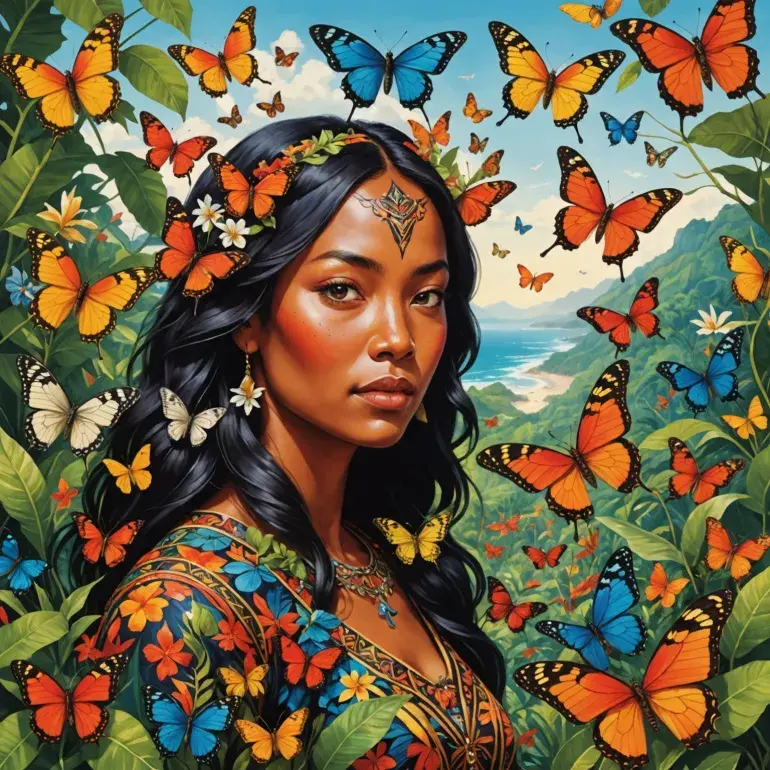
Authored by casinolignefrancais.com, Dec 24, 2025
There’s something undeniably captivating about the delicate flutter of a butterfly’s wings. The kupu kupu, as it is known in Indonesian and Malay cultures, is far more than just a beautiful insect; it’s a profound symbol woven into the fabric of art, mythology, and everyday life. But why does this tiny creature carry such immense weight as a symbol of transformation? And how has butterfly imagery transcended mere decoration to become a powerful cultural metaphor? If you’ve ever paused to wonder about the deeper meaning behind the vibrant wings of a kupu kupu, you’re not alone—and this exploration is just the beginning.
The Elusive Meaning Behind the Kupu Kupu
At first glance, butterflies might appear as simple, pretty creatures that brighten gardens and inspire artists. Yet, the kupu kupu’s significance runs much deeper, especially in Southeast Asian cultures where it often embodies the journey of change and rebirth. This notion isn’t just poetic; it’s a universal theme echoed in countless stories, traditions, and artworks. The transformation from caterpillar to butterfly can be seen as a metaphor for personal growth, spiritual awakening, or even societal evolution. where to bet football online
But here’s where things get intriguing: in a world saturated with fleeting images and symbols, how does one truly connect with the essence of the kupu kupu? And how can the butterfly’s symbolic meaning be applied in modern contexts—say, in art, literature, or even the way we perceive our own life changes? Before diving into these questions, it’s worth noting how this symbolism plays out in various cultural expressions and why it remains so relevant today. (On a lighter note, for those curious about blending culture with their hobbies, exploring where to bet football online can also offer a fascinating glimpse into how traditional symbolism and modern entertainment coexist.)
Tracing Butterfly Imagery Across Cultures and Time
Butterfly imagery is far from confined to one corner of the world or one specific meaning. The kupu kupu symbolizes transformation not only in Southeast Asia but also in many other cultures worldwide, each adding unique layers to its interpretation. Ancient Greeks, for example, saw butterflies as souls, while Japanese art often celebrates the butterfly as a symbol of marital happiness and longevity.
This global fascination invites us to ask: what is it about the kupu kupu that universally captures human imagination? Is it the vivid colors that mirror the vibrancy of life’s phases, or the fragile nature of the butterfly that mirrors our own vulnerabilities? Understanding these nuances enriches our appreciation of the kupu kupu beyond its aesthetic appeal.
- Metamorphosis as Metaphor: The caterpillar’s transformation into a butterfly is the ultimate symbol of change and new beginnings.
- Spiritual Significance: In many cultures, butterflies are viewed as messengers between the physical and spiritual worlds.
- Artistic Inspiration: From traditional batik patterns to contemporary digital art, the kupu kupu’s image continues to inspire creativity.
By unraveling these layers, we don’t just learn about a butterfly—we glimpse into the human experience itself, reflecting growth, resilience, and hope.
What This Article Will Reveal
As we journey through the symbolism of kupu kupu, this article will explore how butterfly imagery shapes cultural narratives and artistic expression. We’ll delve into stories and traditions that highlight the kupu kupu’s role as a transformative emblem, showcasing its power to inspire change both personally and collectively. Along the way, you’ll encounter examples of how artists and storytellers have harnessed this symbol to communicate complex ideas about identity, renewal, and the cycles of life.
Whether you’re a cultural enthusiast, an artist seeking inspiration, or simply curious about the deeper meanings behind everyday symbols, this exploration promises to enrich your understanding of kupu kupu and its enduring beauty. Prepare to see the butterfly not just as a fleeting sight in nature but as a timeless emblem of transformation that continues to flutter through our shared human story.
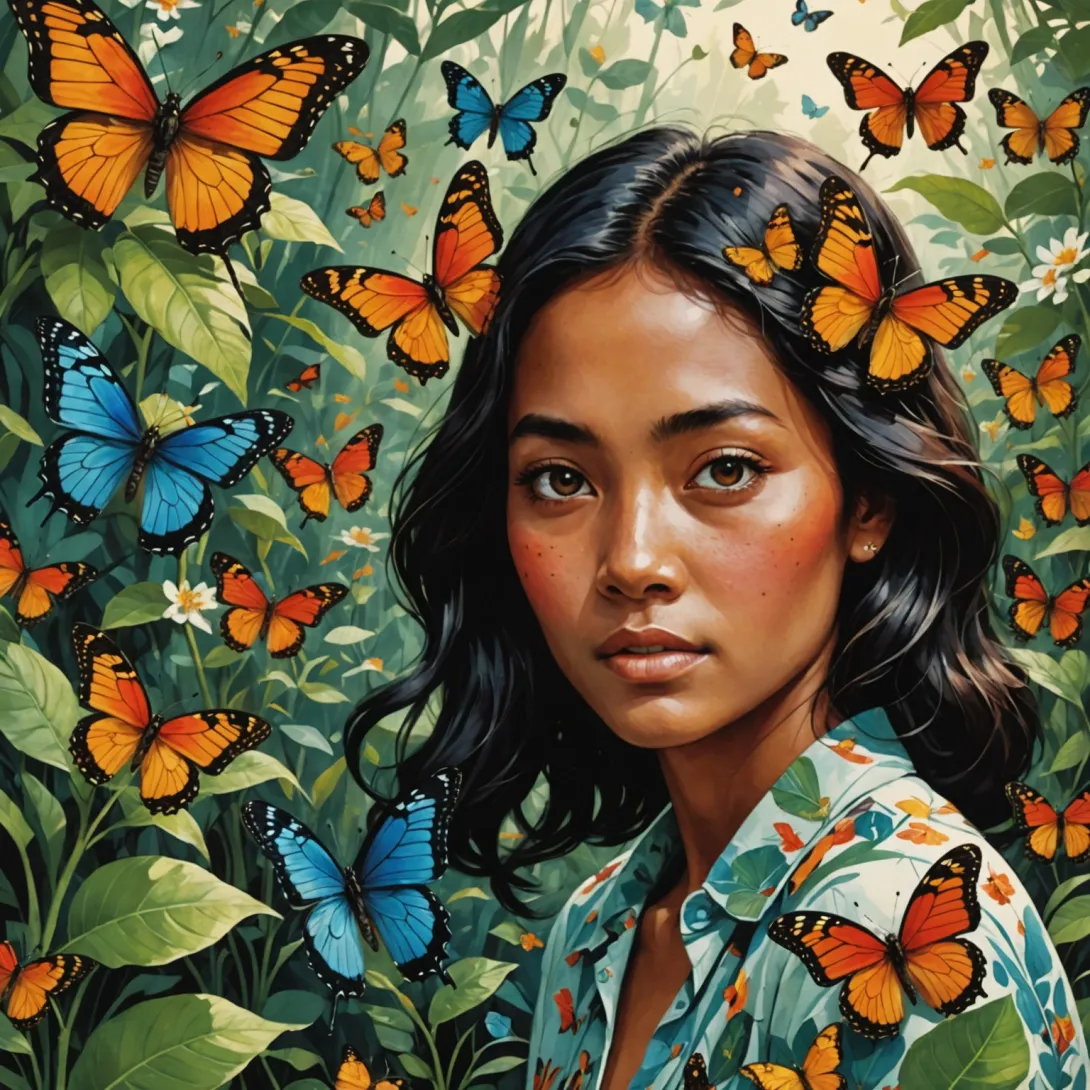
Butterfly Beauty: Kupu Kupu’s Cultural Symbolism and Its Rich Artistic Legacy
What Does Kupu Kupu Symbolize in Different Cultures?
The term kupu kupu, which means butterfly in Indonesian and Malay languages, carries profound symbolic meaning across various cultures. Universally, the butterfly is seen as a powerful emblem of transformation and rebirth due to its metamorphosis from caterpillar to winged beauty. This transformational symbolism is deeply embedded in art, literature, and cultural practices worldwide.
In Southeast Asian contexts, including Indonesia and Malaysia, the kupu-kupu is often associated with the soul’s journey and spiritual awakening. Many indigenous communities regard the butterfly as a messenger between the physical world and the spiritual realm, emphasizing themes of change, hope, and new beginnings.
Beyond Southeast Asia, butterfly imagery is prevalent in numerous cultures:
- Japanese culture: The butterfly represents marital happiness and joy.
- Greek mythology: Psyche, meaning both "soul" and "butterfly," symbolizes the human soul undergoing transformation.
- Mexican traditions: Monarch butterflies are linked to the Day of the Dead, believed to carry the souls of ancestors returning to visit.
Why Is Butterfly Imagery So Powerful in Art and Culture?
Butterfly imagery captivates artists and cultural storytellers because it embodies a universal narrative of transformation, beauty, and ephemerality. The delicate wings of the kupu kupu, often vibrant and intricately patterned, make it a natural muse for visual artists, textile designers, and storytellers.
From a psychological perspective, butterflies symbolize personal growth and evolution. Their life cycle mirrors human experiences of struggle, change, and eventual emergence into a more beautiful or enlightened state, making them ideal symbols in art and literature to convey hope and renewal.
Moreover, the transient nature of butterflies—living only a few weeks—adds layers of meaning about the fleeting nature of life and the importance of embracing change.
How Is Kupu Kupu Represented in Traditional and Contemporary Art?
The kupu-kupu motif appears widely in traditional textiles, paintings, and crafts throughout the Indonesian archipelago and beyond. For example:
- Batik patterns: Many batik designs incorporate kupu kupu as motifs symbolizing transformation and beauty.
- Wayang kulit (shadow puppetry): Butterfly imagery can symbolize the soul's journey or be used decoratively to enhance storytelling.
- Modern art and fashion: Contemporary artists and designers frequently use butterfly imagery to explore themes of identity, freedom, and environmental awareness.
Internationally, kupu kupu-inspired motifs have been adopted in tattoo art, jewelry design, and digital media, reflecting a fusion of traditional symbolism with modern aesthetics.
What Are Some Real-Life Examples or Case Studies Highlighting Kupu Kupu’s Symbolism?
One compelling example comes from the Indonesian artist Eko Nugroho, who often incorporates kupu kupu imagery in his murals and paintings to symbolize social transformation and resilience. His works resonate with audiences because they connect the personal metamorphosis of the butterfly with broader societal changes.
Another case is the use of butterfly symbols in mental health campaigns in Southeast Asia, where the kupu kupu represents hope, recovery, and the courage to embrace change, helping destigmatize conversations around mental wellness.
In literature, the novel "Kupu Kupu" by Indonesian author Ayu Utami uses butterfly imagery to explore themes of female empowerment and liberation, illustrating how deeply embedded this symbol is in cultural storytelling.
How Can Understanding Kupu Kupu’s Symbolism Enrich Personal and Cultural Appreciation?
Grasping the cultural and artistic significance of kupu kupu deepens one’s appreciation for the layered meanings behind butterfly imagery. It encourages us to see beyond the surface beauty to the stories of transformation, resilience, and spiritual growth that the butterfly represents.
For artists and creatives, understanding these symbolic nuances can inspire richer, more meaningful work that resonates across cultural boundaries. For cultural enthusiasts and travelers, it offers insight into the values and beliefs of communities that hold the kupu kupu as a sacred symbol.