
Absinthe’s Mystique: The Green Fairy’s Legacy
Authored by casinolignefrancais.com, Dec 24, 2025
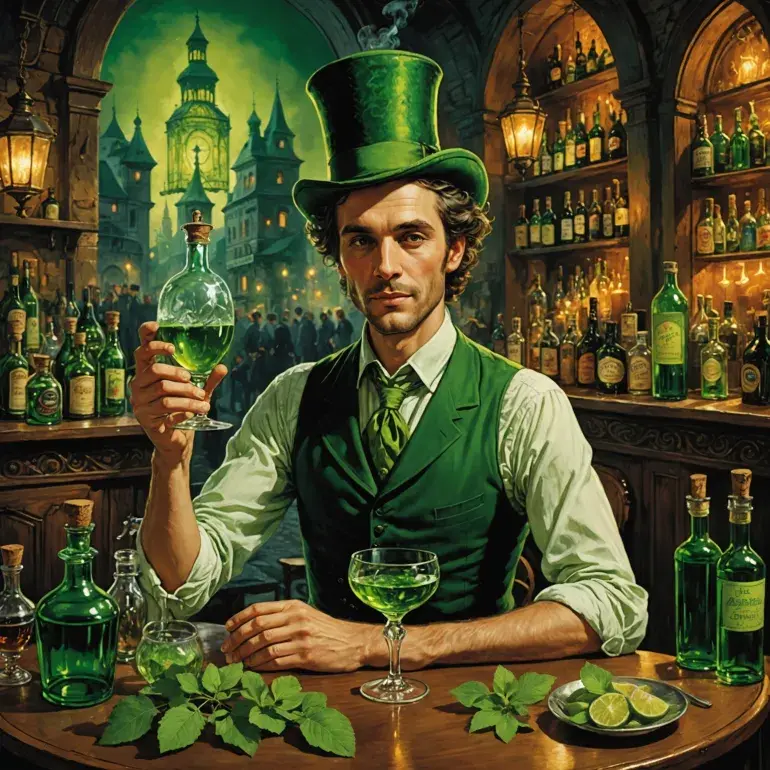
Few spirits have captivated the imagination quite like absinthe. Known as the “Green Fairy,” absinthe—or absinto and absenta, its variations—has long been shrouded in mystery and allure. From the smoky cafés of 19th-century Paris to the vibrant pages of literary classics, this emerald-hued elixir is more than just a drink; it’s a cultural icon. But why does absinthe continue to fascinate artists, writers, and mixologists centuries after its heyday? What is it about this potent concoction that fuels creativity, inspires storytelling, and elevates the craft of cocktail-making? This article dives deep into the bohemian charm of absinthe, exploring its historical roots, artistic ties, and modern-day resurgence.
The Enigma Behind the Green Fairy’s Glow
Imagine stepping into a dimly lit Parisian bistro in the late 1800s. The air is thick with the scent of anise and wormwood, the key ingredients in absinthe. Patrons gather around small tables, swirling the pale green liquid into water, watching it cloud into a milky opalescence—a ritual as much about ceremony as consumption. Yet, beneath this enchanting façade lies a story of controversy, myth, and misunderstood science. For decades, absinthe was vilified, blamed for hallucinations and social decay, leading to bans across Europe and America. The mystique surrounding absinthe—the whispered tales of its supposed mind-altering effects—only served to deepen its mythos. Today, with modern research dispelling many old misconceptions, absinthe enjoys a renaissance, inviting both connoisseurs and curious newcomers to explore its layered legacy. live betting ipl
Interestingly, the captivating draw of absinthe parallels the thrill of “live betting ipl,” where unpredictability and excitement keep enthusiasts on the edge of their seats. Just as live betting IPL fans engage deeply with the game’s twists and turns, absinthe drinkers savor the nuanced flavors and historical drama encapsulated in each glass.
Absinthe and the Artistic Revolution: A Love Affair
Absinthe’s reputation as the muse of bohemia is no accident. The drink was a staple among some of the greatest minds of the Belle Époque—writers like Ernest Hemingway, poets like Charles Baudelaire, and painters such as Vincent van Gogh. These creatives didn’t just drink absinthe; they wove it into their art and identities. The spirit’s complex flavor profile and its ritualized preparation became metaphors for their own creative processes—both intoxicating and transformative.
What draws artists and writers to absinthe? It’s the promise of an altered state—not necessarily of delirium, but of heightened perception. The swirling fountains pouring water over sugar cubes, the gradual dilution revealing hidden aromas, all contribute to a sensory experience that mirrors artistic exploration. Even beyond the personal effects, absinthe’s cultural symbolism—of rebellion, freedom, and the mystical—resonates deeply with the bohemian spirit.
The Literary Legacy
- Oscar Wilde famously celebrated absinthe’s allure, reflecting his own decadent lifestyle.
- Arthur Rimbaud wrote vivid verses inspired by the drink’s hallucinogenic reputation (though largely exaggerated).
- Paul Verlaine and Henri de Toulouse-Lautrec immortalized absinthe scenes in poetry and art, capturing the bittersweet edge of Parisian nightlife.
Through these luminaries, absinthe transcended its status as mere alcohol to become a symbol of cultural and creative revolution, a liquid emblem of the avant-garde.
Absinthe’s Mystique: The Green Fairy’s Legacy
What is Absinthe, and Why is It Called the "Green Fairy"?
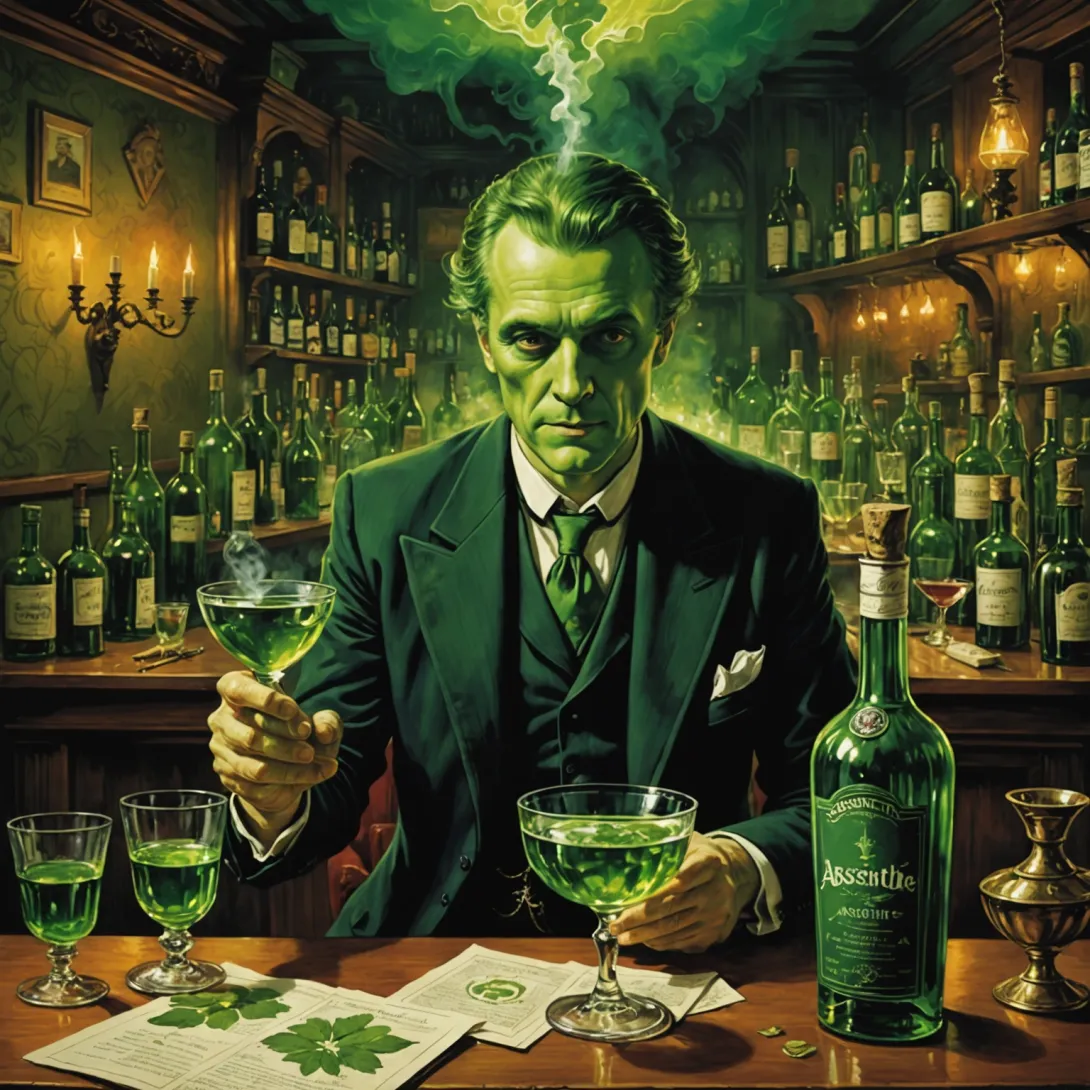
Absinthe, also known as absinto or absenta in various languages, is a highly alcoholic spirit derived from botanicals, including wormwood, anise, and fennel. It is famously nicknamed the "Green Fairy" due to its distinctive emerald-green color and the almost mystical allure it has cultivated over centuries.
The name “Green Fairy” reflects not only its vivid hue but also the bohemian and sometimes controversial reputation it gained in 19th and early 20th century Europe, particularly in France and Switzerland. The spirit was associated with artists, writers, and intellectuals, who believed absinthe stimulated creativity and altered perception, contributing to its legendary status in cultural history.
How Did Absinthe Influence Art and Literature?
Absinthe’s bohemian allure fueled the creative spirits of many influential artists and writers, cementing its role as a muse in the world of art and literature. Notable figures include:
- Vincent van Gogh: Known for his vivid and emotionally charged paintings, van Gogh was a documented absinthe drinker. The drink’s hallucinogenic reputation, while scientifically debated, contributed to the mythos surrounding his intense creativity.
- Ernest Hemingway: The famed American novelist often referenced absinthe in his works, symbolizing the decadent and existentialist atmosphere of Paris' Left Bank.
- Pablo Picasso: The cubist painter was part of the Parisian absinthe culture, further intertwining the spirit with avant-garde movements.
Absinthe inspired not just individual artists but entire movements. The spirit was emblematic of the bohemian lifestyle, promoting freedom of expression and pushing boundaries in art and literature.
What Role Does Absinthe Play in Modern Mixology?
In contemporary cocktail culture, absinthe (and its counterparts absinto and absenta) has made a significant comeback, appreciated for its unique flavor profile and historical significance. Mixologists utilize absinthe to add complexity, herbal notes, and a touch of mystique to classic and modern cocktails.
Popular cocktails featuring absinthe include:
- The Sazerac: Often cited as one of the oldest cocktails in America, it traditionally uses absinthe to rinse the glass, imparting a subtle anise flavor.
- The Death in the Afternoon: A cocktail created by Ernest Hemingway that mixes absinthe with champagne, embodying the spirit’s association with sophistication and daring.
- Absinthe Drip: The classic preparation involves slowly dripping iced water over a sugar cube placed on a slotted spoon, diluting the absinthe and releasing its complex aromas.
The resurgence of absinthe in bars worldwide highlights its versatility and enduring charm, bridging historical traditions with modern tastes.
Why Was Absinthe Banned and How Did It Regain Popularity?
Absinthe faced bans in many countries during the early 20th century, primarily due to concerns over its supposed hallucinogenic effects and social impact. Wormwood, one of its key ingredients, contains thujone, a chemical once believed to cause hallucinations and madness.
However, modern scientific research has debunked many of these myths, showing that thujone is present only in trace amounts that are unlikely to cause such effects. The bans were also influenced by political, social, and economic factors, including pressure from the wine industry.
Since the late 20th century, absinthe has experienced a renaissance. Regulatory changes in Europe and the US have allowed the production and sale of absinthe under controlled thujone limits, leading to renewed interest among consumers, collectors, and bartenders.
What Are the Differences Between Absinthe, Absinto, and Absenta?
While these terms all refer to the same type of spirit, their usage often reflects geographical and linguistic variations:
- Absinthe: The French term, most commonly used internationally, especially in historical and contemporary contexts.
- Absinto: The Portuguese and Brazilian term, where the spirit has its own cultural niche and production styles.
- Absenta: The Spanish term, used primarily in Spain and Latin American countries, sometimes denoting local variations in recipe and tradition.
Despite these linguistic differences, all three share the core characteristics of a wormwood-based herbal spirit, with regional nuances influencing flavor, production methods, and cultural significance.
How Can One Appreciate Absinthe Responsibly Today?
Appreciating absinthe today requires an understanding of its potent nature and rich cultural heritage. Here are some guidelines for enjoying absinthe responsibly:
- Moderation: Absinthe typically has a high alcohol content (45-74% ABV), so it should be consumed sparingly.
- Traditional Preparation: Use the absinthe drip method or carefully measured cocktails to fully experience its complex aromas and flavors.
- Quality Selection: Choose well-crafted absinthe brands that adhere to legal standards and traditional recipes to ensure authenticity.
- Contextual Enjoyment: Embrace the spirit’s artistic and historical context by pairing it with cultural explorations or creative endeavors.
By respecting its potency and heritage, absinthe can be enjoyed as a fascinating link to the bohemian past and a versatile component of modern mixology.
Conclusion: The Enduring Legacy of Absinthe
Absinthe, or absinto/absenta, remains one of the most intriguing spirits in history, blending botanical complexity with a rich cultural narrative. Its mystique as the "Green Fairy" continues to captivate artists, writers, and beverage enthusiasts alike.
From inspiring masterpieces of art and literature to shaping the evolution of cocktails, absinthe’s legacy is a testament to how a single spirit can transcend mere consumption to become a symbol of creativity, rebellion, and refinement.