
Rokok’s Cultural Smoke: Indonesia’s Tobacco Tradition
Authored by casinolignefrancais.com, Dec 24, 2025
Unraveling the Layers of Indonesia’s Smoking Heritage
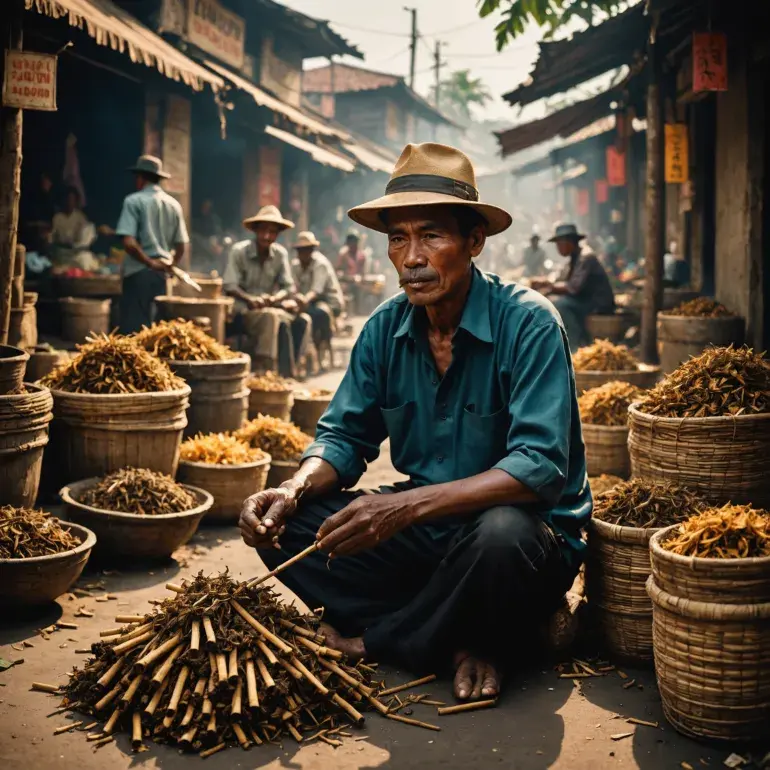
Imagine walking through a bustling Indonesian street market where the air is thick with the distinctive scent of rokok, a deeply ingrained element of the nation’s identity. But this isn’t just about smoking as a habit; it’s about a complex cultural phenomenon that has been woven into the fabric of Indonesia for centuries. From the hand-rolled kretek cigarettes that crackle with a spicy clove aroma to the ubiquitous imagery found in gambar rokok (cigarette brand pictures) decorating shops and social spaces, tobacco culture in Indonesia is far more than meets the eye. It is a living tradition, a social currency, and at times, a source of controversy.
Yet, beneath the surface of this cultural smoke lies a tangled web of societal, economic, and health considerations. How did rokok come to hold such a significant place in Indonesian life? Why do its images and symbols resonate so powerfully across generations? And in an age where health warnings and global anti-smoking campaigns make headlines, how does Indonesia reconcile its rich tobacco heritage with modern challenges? This exploration isn’t just for tobacco enthusiasts or cultural anthropologists—it speaks to anyone curious about how traditions persist, evolve, and influence everyday choices. bet on cricket match
As with many traditions, there is a balancing act. The tobacco culture permeates various aspects of life, from rites of passage and social bonding to economic livelihoods that support millions. For some, the ritual of lighting a rokok is as natural as greeting a friend; for others, it’s a subject of concern. Interestingly, the cultural backdrop also impacts other areas, such as leisure activities—did you know that understanding the nuances of local customs can even enhance your experience when you bet on cricket match outcomes in Indonesia? The interplay between cultural identity and modern entertainment unfolds in unexpected ways.
The Intricacies Beneath the Smoke: More Than Just a Cigarette
At first glance, rokok might seem like a simple product, but its significance runs deep. Indonesia is the world’s largest consumer of clove cigarettes, known as kretek, which are not just smoked but celebrated as an art form. The very gambar rokok found on packaging and advertisements tell stories of heritage, pride, and social status. Each brand’s imagery acts almost like a cultural emblem, reflecting values and appealing to various demographics.
But this cultural embrace comes with complexities. On one hand, tobacco farming and rokok production provide jobs for millions, from farmers to factory workers, shaping economic landscapes in rural and urban areas alike. On the other, public health advocates raise alarms over the soaring rates of smoking-related illnesses, pointing to Indonesia’s high smoking prevalence as a looming crisis. This tension between cultural tradition and health realities creates a fascinating—and sometimes fraught—dialogue within Indonesian society.
Moreover, the way tobacco culture intersects with other facets of life—from art and fashion to social rituals and even gambling habits—reveals a layered narrative. The visual language of gambar rokok has evolved over decades, sometimes sparking debates about marketing ethics and youth influence. Understanding these dynamics offers a richer perspective on why rokok remains so embedded in Indonesia's cultural psyche.
What’s Next in the Story of Indonesia’s Tobacco Tradition?
This article will journey through the multifaceted world of Indonesia’s tobacco culture, examining how rokok has carved its niche beyond mere consumption. We'll explore:
- The historical roots of rokok and its rise as a cultural icon
- The role of gambar rokok in shaping public perception and identity
- The economic impact and the livelihoods tied to the tobacco industry
- The ongoing societal debates balancing tradition with health concerns
- How modern lifestyles and entertainment, including betting on cricket match events, intersect with tobacco culture
By the end, readers will gain a nuanced understanding of why rokok’s smoke is more than a fleeting cloud—it’s a symbol of Indonesia’s layered history, its people’s resilience, and the evolving narratives that continue to shape the nation's identity. Whether you’re a cultural enthusiast, a public health observer, or someone simply curious about the stories behind a cigarette, this exploration promises insights that challenge assumptions and invite reflection.
Rokok’s Cultural Smoke: Indonesia’s Tobacco Tradition
What is Rokok and Why is it Central to Indonesia’s Tobacco Culture?
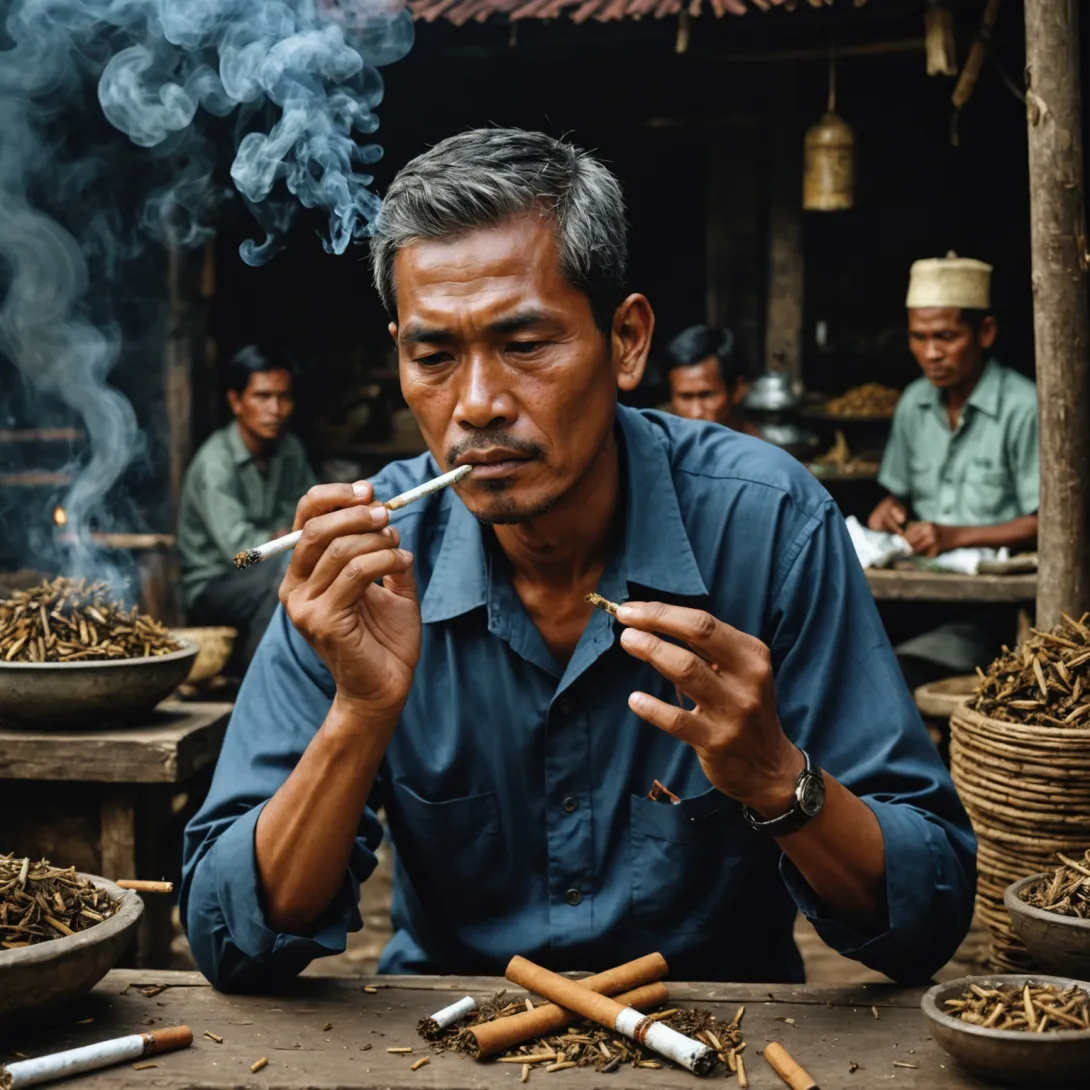
Rokok is the Indonesian term for cigarettes, but it encompasses far more than just the commercial, mass-produced versions familiar worldwide. In Indonesia, rokok also refers to traditional hand-rolled cigarettes, often made with locally grown tobacco and wrapped in natural leaves such as teak or corn husks. This variety plays a vital role in Indonesia’s tobacco culture, reflecting centuries of social customs, economic activity, and regional identities.
The tobacco culture in Indonesia is deeply intertwined with ritual, hospitality, and daily life. Smoking rokok is not merely about nicotine consumption; it carries symbolic meanings related to community bonding, relaxation, and cultural expression. For example, in many rural areas, sharing rokok during social gatherings is a sign of respect and friendship.
How Does the Tradition of Rokok Reflect Indonesia’s Complex Smoking Culture?
Indonesia’s smoking culture is among the most complex and unique in the world, partly because it is one of the largest consumers of tobacco globally. According to the World Health Organization, Indonesia ranks in the top five countries for tobacco consumption, with around 70% of adult males smoking.
This high prevalence is linked to several cultural and economic factors, including:
- Historical Legacy: Tobacco was introduced to the archipelago centuries ago, and local populations adapted the practice to their own customs.
- Economic Importance: Tobacco farming and rokok production provide livelihoods for millions, especially in regions like East Java and Sumatra.
- Social Norms: Smoking is often seen as a rite of passage for men and is embedded in many traditional ceremonies and daily routines.
Rokok serves as a cultural artifact that conveys these layers of meaning and economic significance. Its existence in both modern manufactured and traditional hand-rolled forms illustrates the tension between globalization and local heritage in Indonesia’s tobacco culture.
What Are the Different Types of Rokok and How Do They Illustrate Regional Diversity?
There are several types of rokok, each with distinct characteristics that reflect regional tastes and production methods:
- Rokok Kretek: The most iconic Indonesian cigarette, kretek contains a mixture of tobacco and clove (kretek means “crackling” in Javanese, referring to the sound when smoked). It’s deeply ingrained in the nation’s identity and accounts for over 90% of cigarette sales in Indonesia.
- Rokok Filter: Similar to Western cigarettes, these are machine-made and often favored by younger smokers and urban populations.
- Hand-Rolled Rokok: These traditional cigarettes are made by rolling tobacco leaves in natural wrappers. They vary widely depending on local tobacco strains and leaf types, and are often found in rural communities.
Each type tells a story of how tobacco culture adapts to local resources, social structures, and market demands. The diversity of rokok types is a visual and sensory representation of Indonesia’s complex tobacco culture. For those interested in visual references, numerous gambar rokok (images of rokok) highlight these variations, showcasing packaging, rolling techniques, and cultural contexts.
How Has Indonesia’s Tobacco Culture Impacted Public Health and Policy?
While rokok holds cultural significance, Indonesia faces significant public health challenges due to high smoking rates. Tobacco-related illnesses contribute to a substantial disease burden, including lung cancer, heart disease, and respiratory conditions.
The government has been slow to implement stringent tobacco control policies compared to other countries. Cultural acceptance of rokok complicates efforts to reduce smoking prevalence. However, there have been steps toward:
- Introducing graphic health warnings on cigarette packaging
- Raising tobacco taxes
- Restricting smoking in public places
Understanding the cultural dimensions of rokok is crucial for designing effective health campaigns. Public health initiatives need to respect the tobacco culture while promoting harm reduction and cessation strategies.
What Role Do Visuals Like Gambar Rokok Play in Understanding Tobacco Culture?
Visual representations such as gambar rokok are invaluable for capturing the essence of Indonesia’s tobacco culture. They provide insights into the variety of rokok, packaging artistry, and the social settings in which smoking occurs.
Researchers, marketers, and cultural historians often use these images to:
- Document traditional rokok-making techniques
- Analyze consumer behavior and branding strategies
- Raise awareness about the health impacts by juxtaposing cultural beauty with health warnings
In essence, gambar rokok serve as a bridge connecting the tangible and intangible elements of Indonesia’s tobacco culture.
Conclusion: Why Understanding Rokok is Essential to Grasping Indonesia’s Tobacco Culture
Rokok is far more than a smoking product in Indonesia—it is a cultural symbol, an economic pillar, and a public health challenge. Its diverse forms and deep-rooted traditions illustrate the complexity of Indonesia’s tobacco culture.
To fully appreciate Indonesia’s tobacco tradition, it is important to explore the history, types, social meanings, and health impacts of rokok. Using tools like gambar rokok helps visualize and deepen this understanding, offering a comprehensive view that respects both cultural heritage and contemporary realities.